Wireless-Powered Medical Implants: Inductive vs RF Energy Transfer Safety Limits
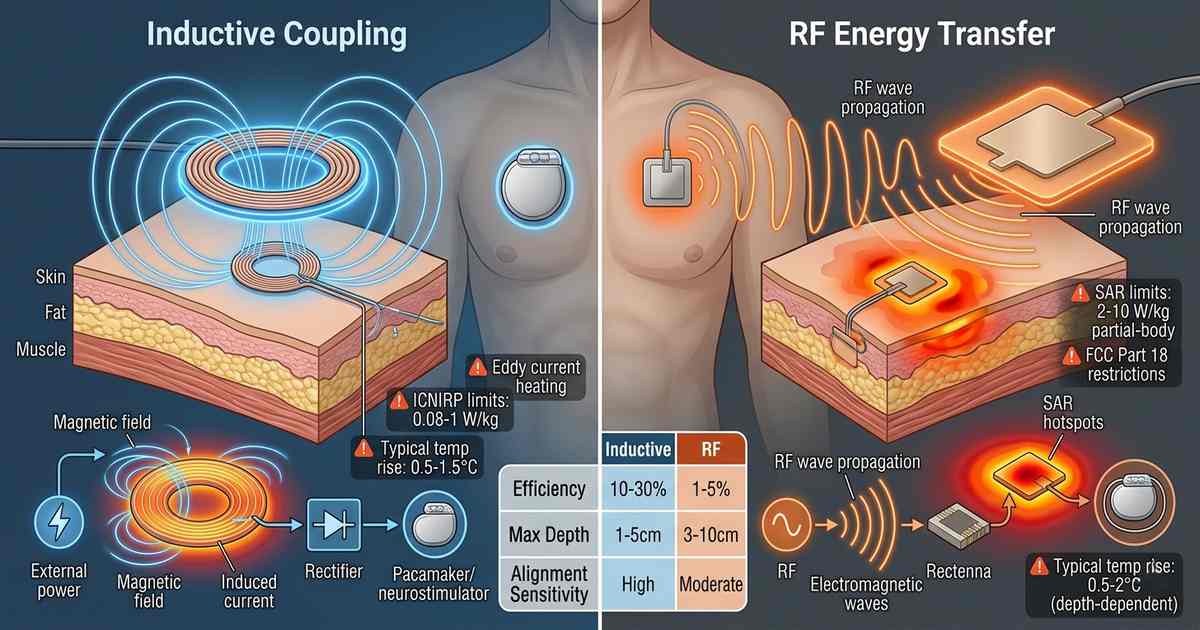
⚡ The Power Problem in Implantable Medicine For decades, implantable medical devices have been constrained by a fundamental limitation: batteries. Pacemakers, neurostimulators, cochlear implants, and drug pumps all require surgical replacement when batteries deplete—typically every 5-10 years. Each replacement surgery carries risks: infection, bleeding, device damage, and patient discomfort. For deep-brain stimulators or spinal cord … Read more
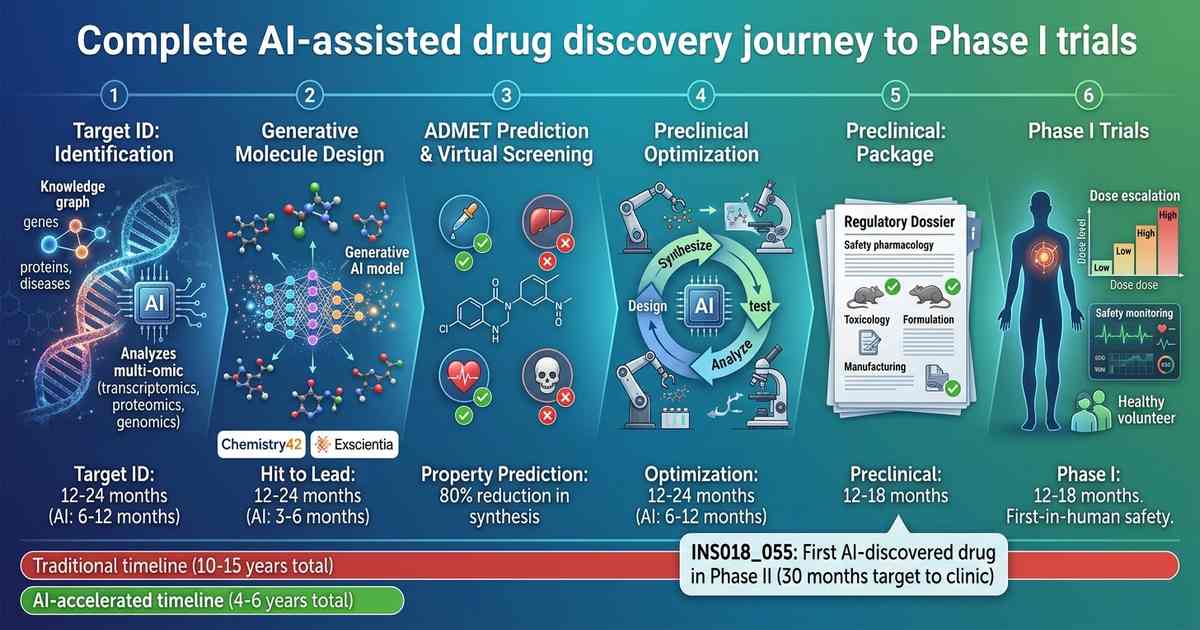
AI-Assisted Drug Discovery: From Target Identification to Phase I Trials—A New Paradigm

The Crisis in Pharmaceutical R&D Developing a new drug is one of the most expensive, time-consuming, and failure-prone endeavors in human history. The numbers are staggering: an average of $2.6 billion in research and development costs, 10 to 15 years from initial discovery to market approval, and a 90% failure rate in clinical trials. For every drug that reaches patients, nine … Read more

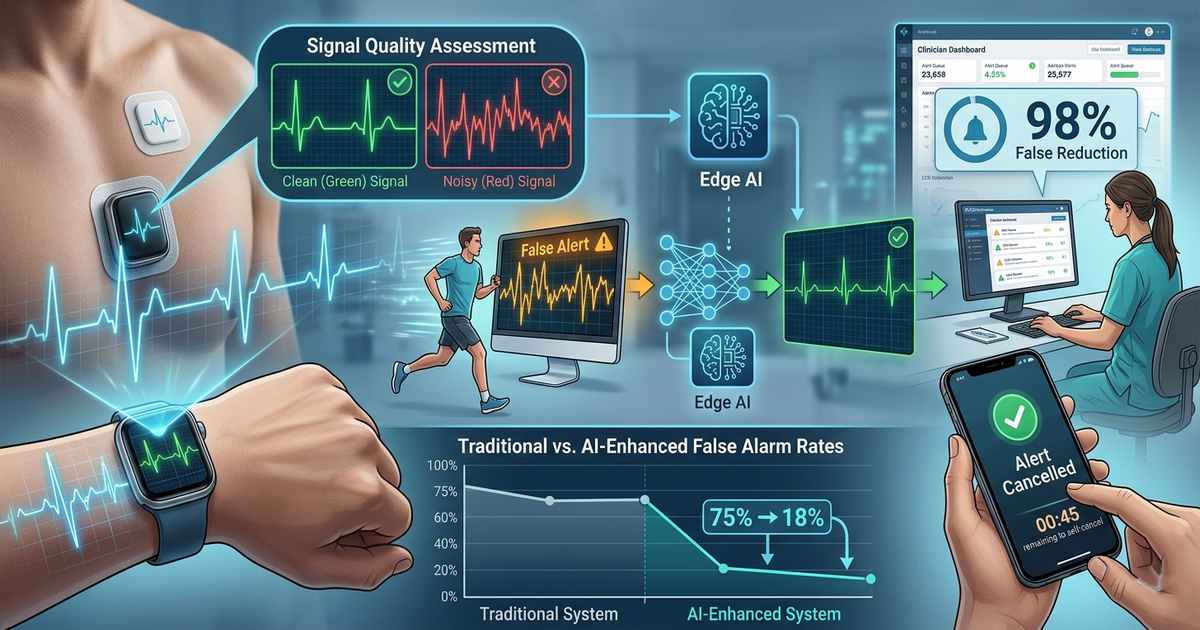
Remote Cardiac Monitoring Wearables: Managing False Alarms in Long-Term Use

Remote cardiac monitoring wearables have transformed cardiovascular care. From smartwatches detecting atrial fibrillation to implantable loop recorders tracking arrhythmias over years, these devices offer unprecedented visibility into heart health beyond clinical settings. Yet this continuous surveillance comes with an unexpected cost: the burden of false alarms. The problem is staggering. Historically, approximately 75% of implantable … Read more

Nanoparticle Drug Delivery in Cancer: Targeting & Toxicity

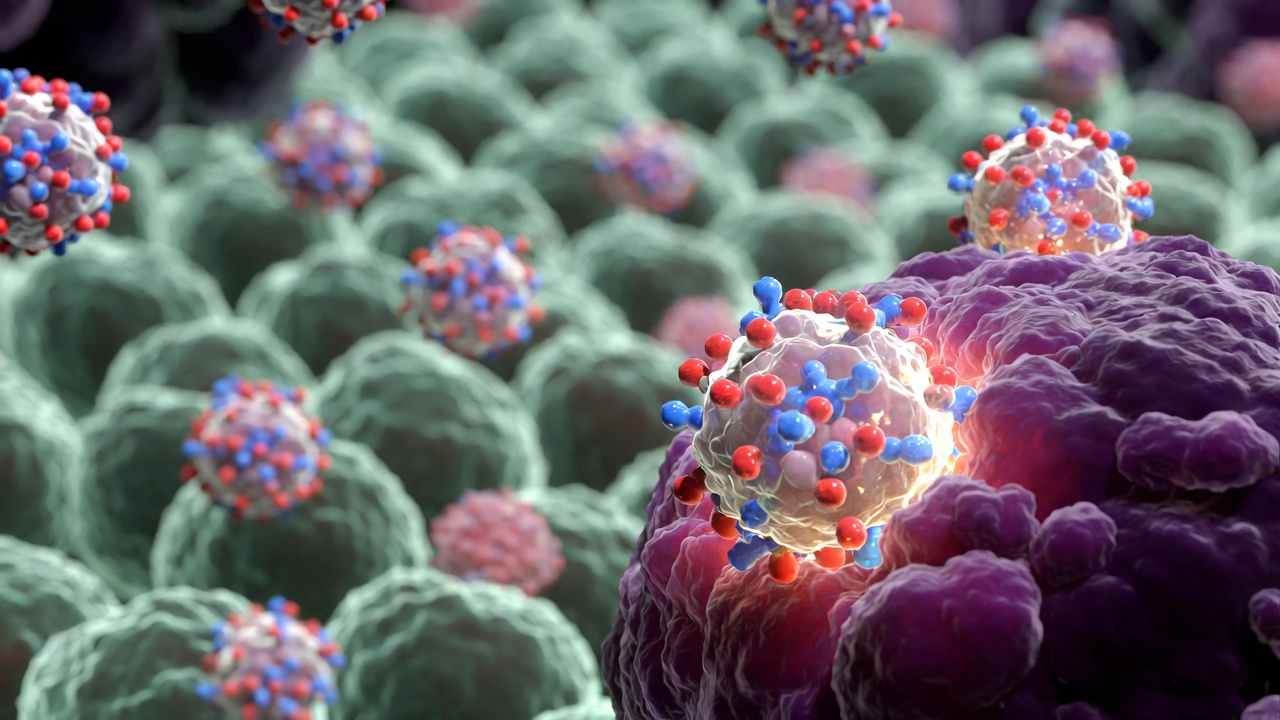
Medical illustration of nanoparticles delivering chemotherapy drugs directly to a tumor while sparing healthy tissue.

Traditional chemotherapy faces a fundamental limitation: most anticancer drugs are toxic to both malignant and healthy cells. Systemic distribution leads to well-known side effects — hair loss, immune suppression, gastrointestinal damage, and organ toxicity. The challenge is not only killing cancer cells but doing so selectively. Nanoparticle drug delivery systems aim to change this equation. … Read more

Non-Invasive Glucose Watches: Optics vs Bioimpedance

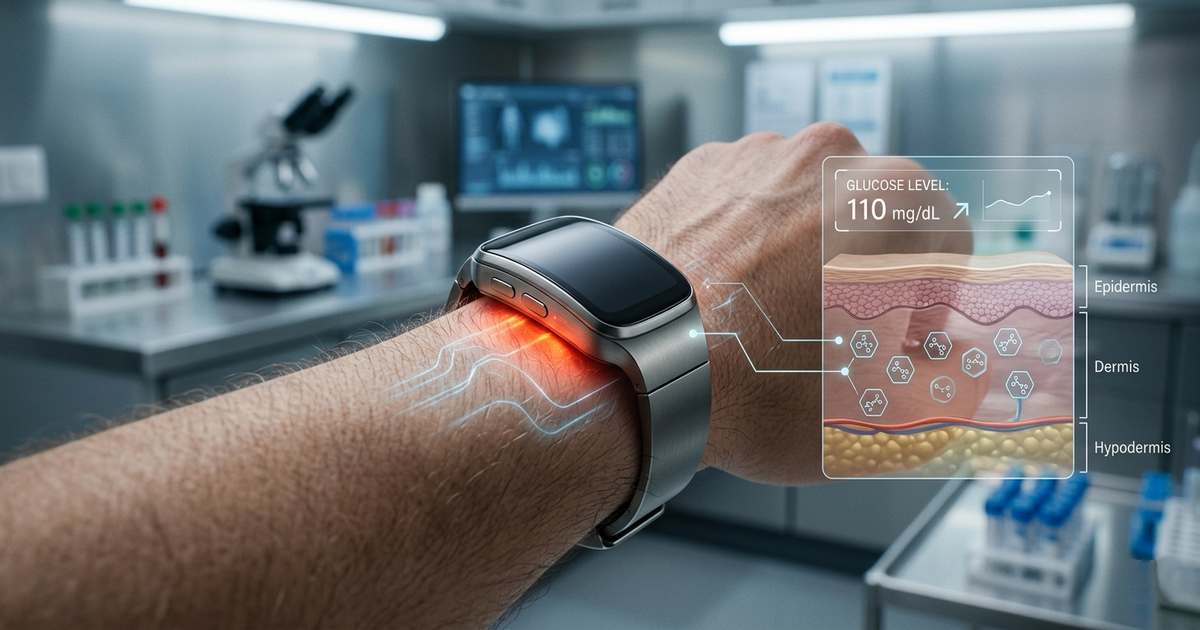
Prototype smartwatch using optical and bioimpedance sensors to measure blood glucose non-invasively on the wrist.

For decades, glucose monitoring has meant one thing: needles. Even with continuous glucose monitors (CGMs), users still insert a tiny sensor under the skin. The promise of a truly non-invasive smartwatch — one that reads glucose through intact skin — has hovered between breakthrough and hype for nearly 20 years. Between 2025 and 2028, however, … Read more

CRISPR Base Editing vs Prime Editing: Therapeutic Comparison

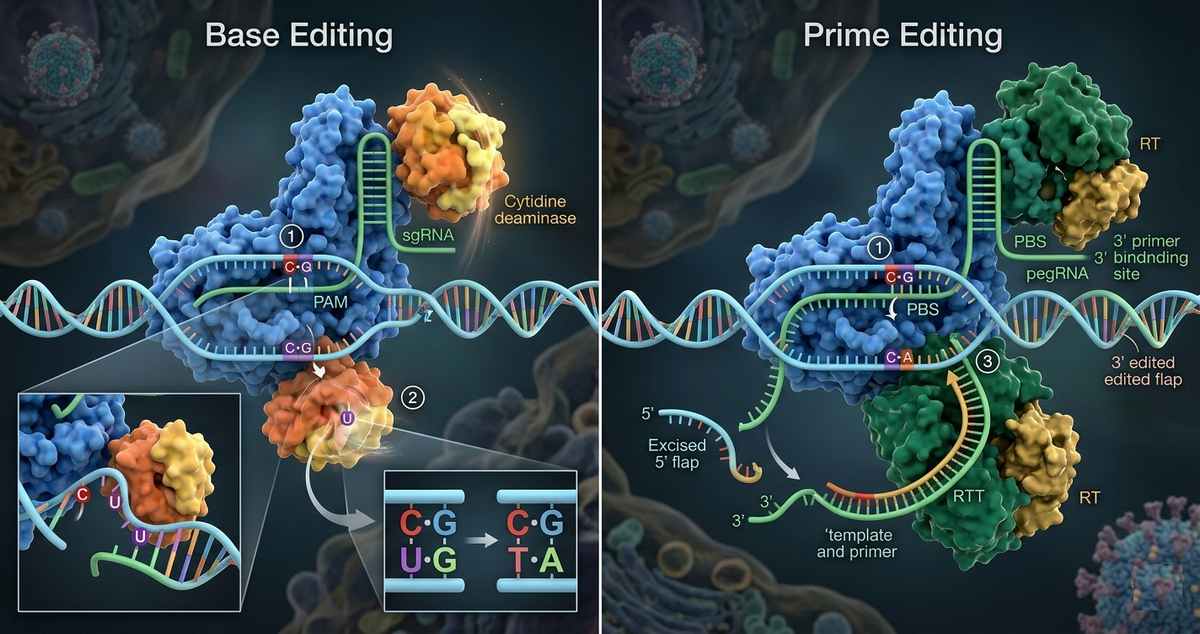
Comparison of CRISPR base editing and prime editing mechanisms for therapeutic genome correction

Gene editing has undergone a revolution over the last decade, with CRISPR technologies moving from proof-of-concept experiments into early therapeutic applications. Among these, base editing and prime editing have emerged as two of the most promising approaches for correcting point mutations and small genetic defects without introducing double-strand breaks (DSBs). In 2025, both methods are … Read more

Digital Twin Patients in Hospitals: Infrastructure Requirements

Hospital digital twin patient system showing real-time data streams feeding a virtual patient model

Digital twin patients—virtual, continuously updated computational models of individual patients—are moving from research pilots into early clinical deployments. By integrating real-time physiological data, historical medical records, imaging, and predictive models, digital twins promise more proactive and personalized care. However, the technical and operational infrastructure required to support clinical-grade digital twins is substantial. Hospitals cannot simply … Read more

Brain-Computer Interfaces: Signal Bandwidth and Real-World Constraints

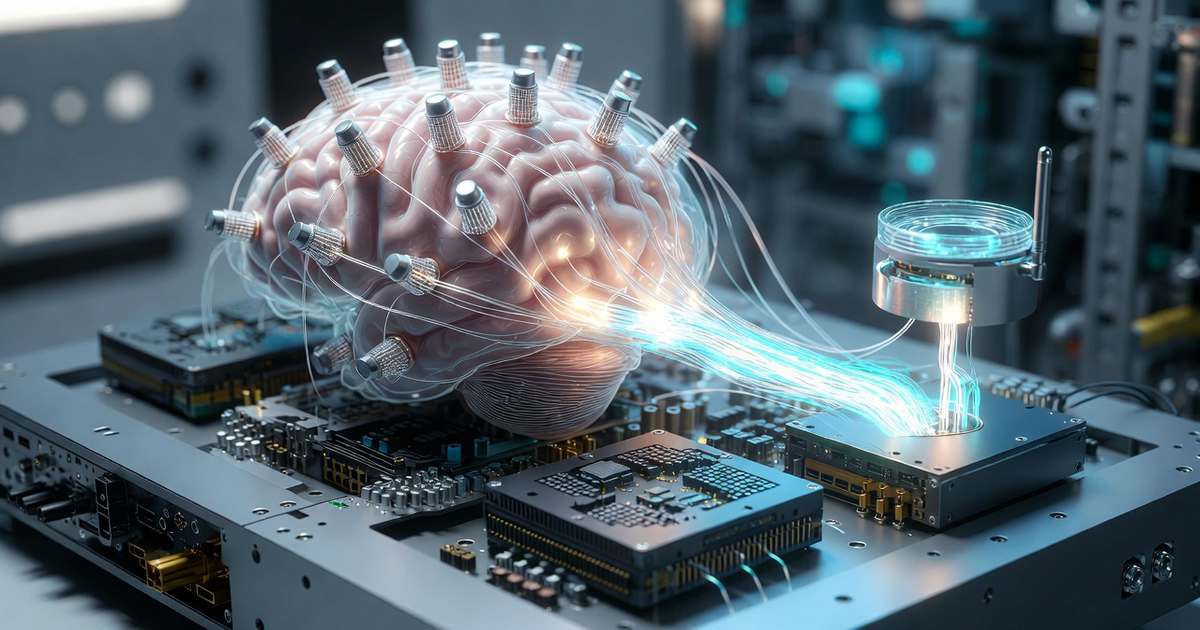
Illustration of brain-computer interface connecting neural signals to an external device with real-time signal flow

Brain-computer interfaces (BCIs) have advanced rapidly from experimental labs to pilot real-world applications. From controlling prosthetic limbs to communicating via neural signals, BCIs promise to unlock direct interaction between human cognition and external devices. Yet one of the key limiting factors remains signal bandwidth — the rate and fidelity at which neural data can be … Read more

AI Radiology Models vs Human Specialists: 2025 Clinical Data Review

AI radiology system assisting human radiologist reviewing medical scans on workstation

AI in radiology has moved well beyond experimental pilots. By 2025, multiple FDA-cleared and CE-marked systems are embedded in clinical workflows, particularly in high-volume imaging domains such as chest X-ray, mammography, and CT triage. The central question is no longer whether AI can match radiologists in narrow tasks, but how the human-AI system performs under … Read more

Wearable Sweat Sensors for Continuous Glucose Monitoring: Technical Limits

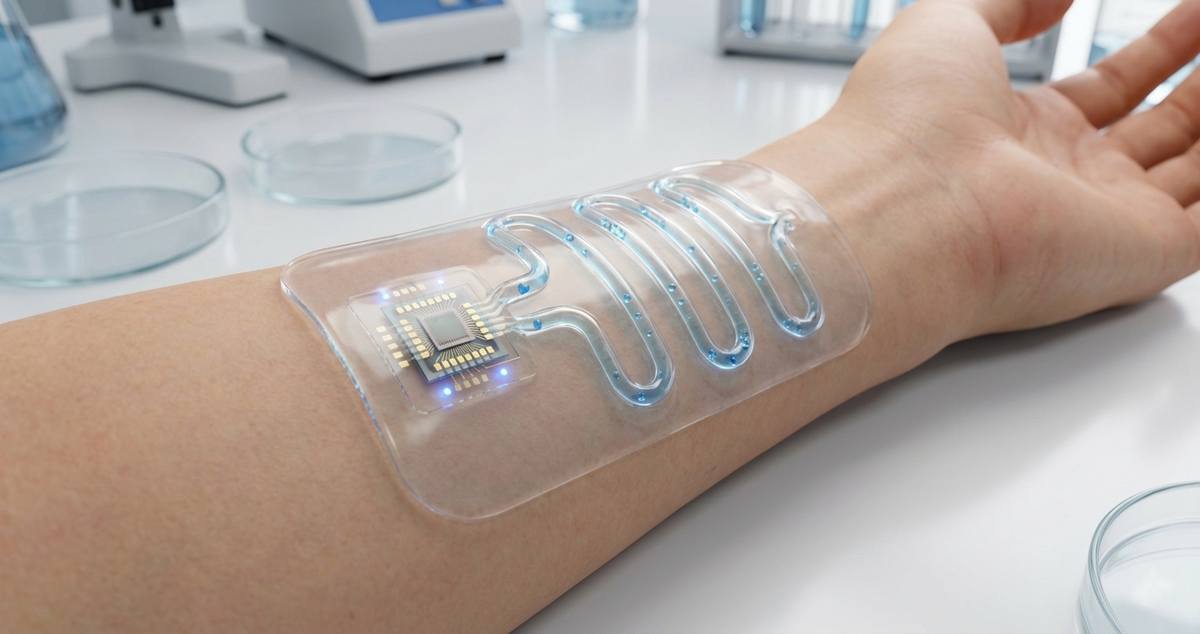
3D visualization of a wearable skin patch analyzing glucose levels from human sweat using biosensors

Non-invasive glucose monitoring remains one of the most sought-after goals in digital health. Among the leading candidates, wearable sweat sensors have attracted intense research interest because they promise painless, continuous metabolic tracking without needles or implanted devices. In 2025, prototype sweat-based glucose wearables are advancing rapidly—but significant technical barriers still prevent clinical-grade deployment. This article … Read more