Real-Time On-Device Translation: Transformer Model Compression for Mobile NPUs
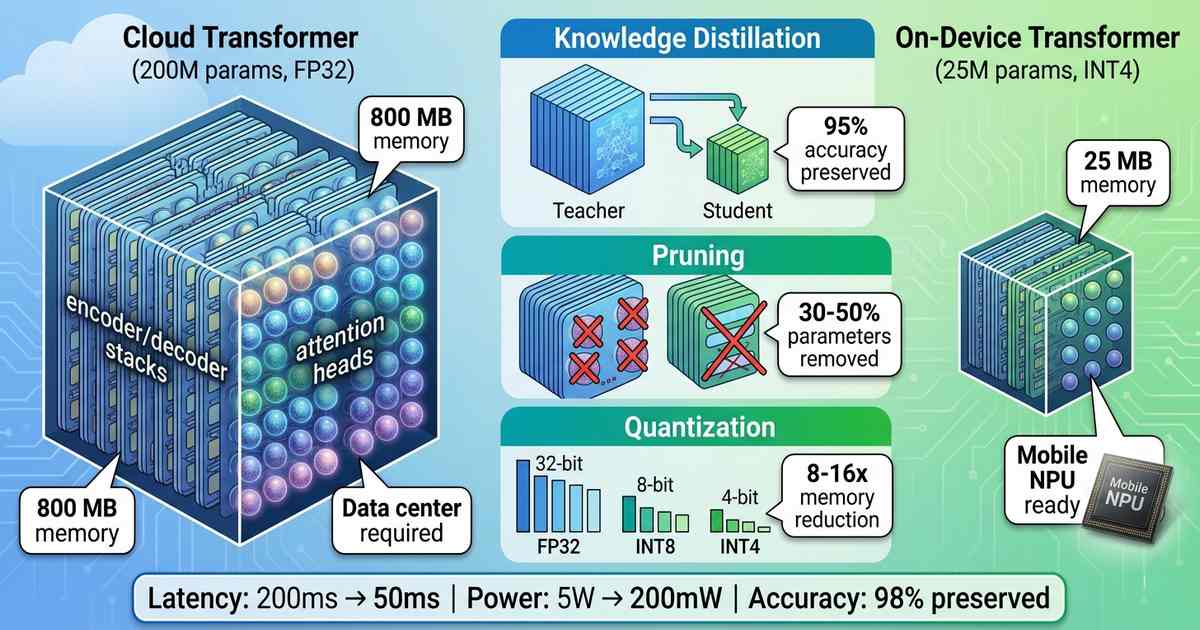
The Privacy-Latency Trade-Off For years, real-time translation lived in the cloud. Smartphone users spoke into their devices, audio traveled to remote servers, large language models processed the text, and translations streamed back. The results were impressive in quality but problematic in practice: latency varied with network conditions, privacy demanded sending conversations to third-party servers, and … Read more
Ultra-Wideband Positioning: Multipath Mitigation for Centimeter-Level Indoor Tracking

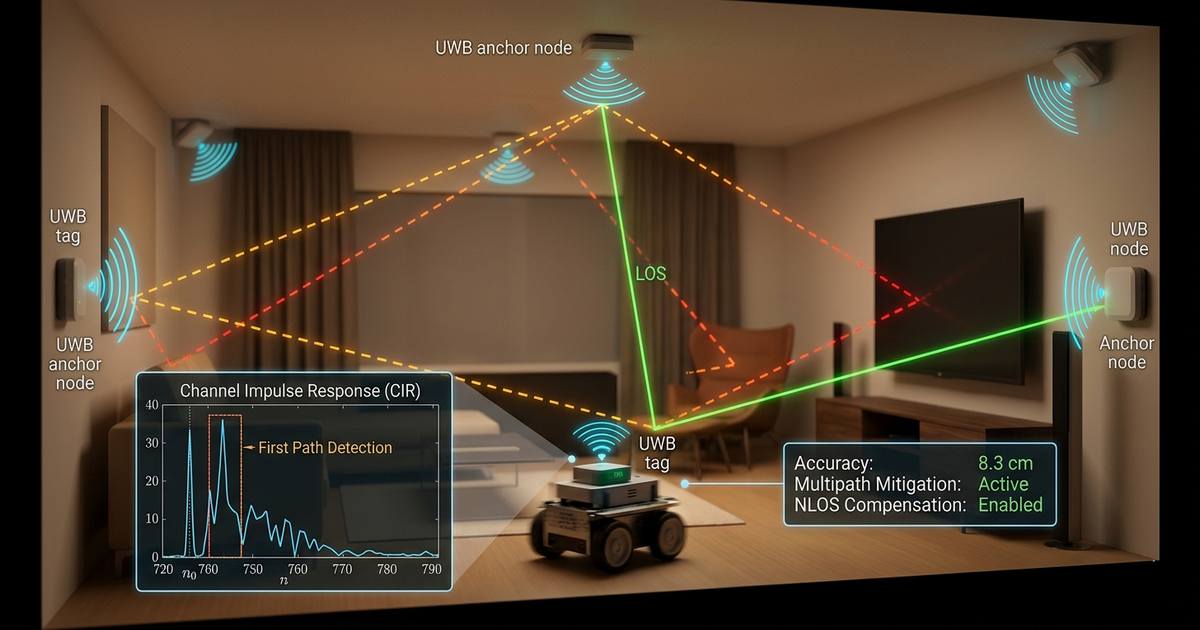
Ultra-Wideband (UWB) technology has emerged as the gold standard for indoor positioning, offering the potential for centimeter-level accuracy that far exceeds Wi-Fi, Bluetooth, or RFID-based alternatives. By transmitting nanosecond-scale pulses across a wide frequency spectrum, UWB systems achieve exceptional time resolution, enabling precise Time of Flight (ToF) measurements that translate directly into distance estimates. This … Read more

Integrated SIM (iSIM): Security and Manufacturing Impact

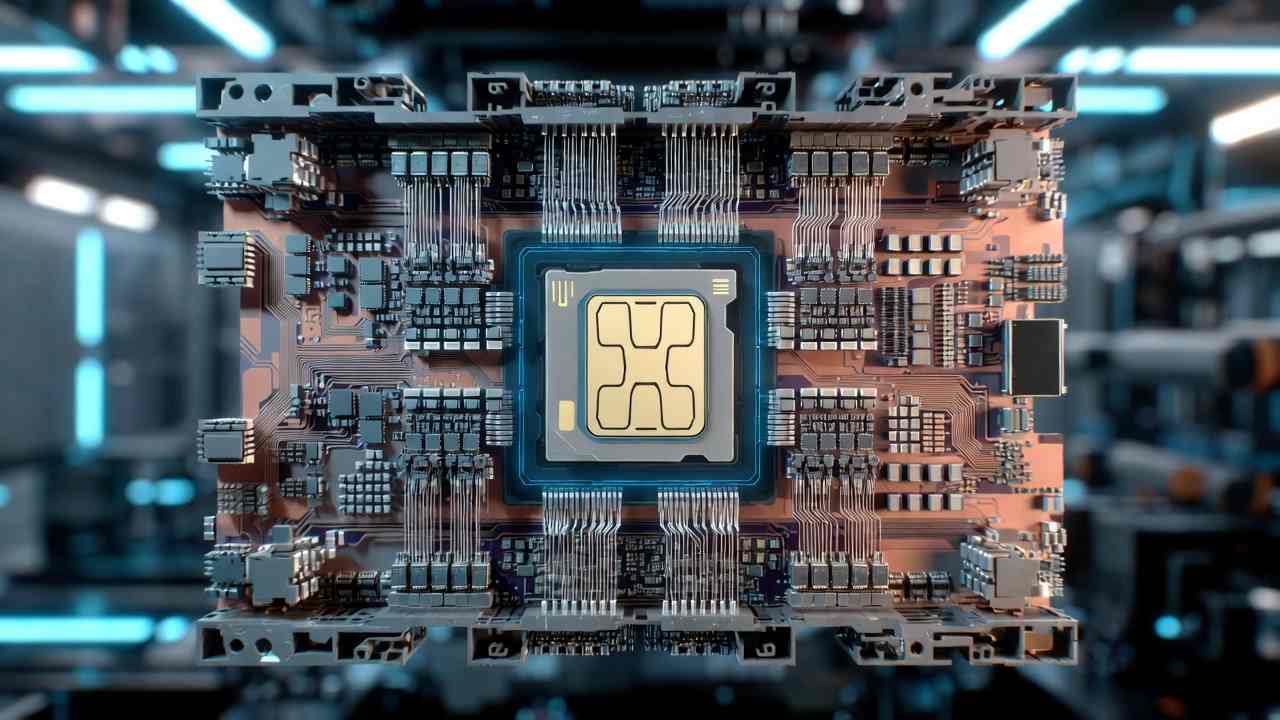
System-on-chip with integrated SIM module highlighted, showing secure enclave and cellular connectivity inside a smartphone processor.

For more than three decades, mobile connectivity has depended on a removable card. First came the full-size SIM, then micro and nano variants, followed by embedded SIMs (eSIM) soldered onto device boards. Now the industry is moving toward the next step: the integrated SIM, or iSIM — a SIM implemented directly inside the main processor. … Read more

Advanced Vapor Chamber Cooling in Flagship Mobile SoCs

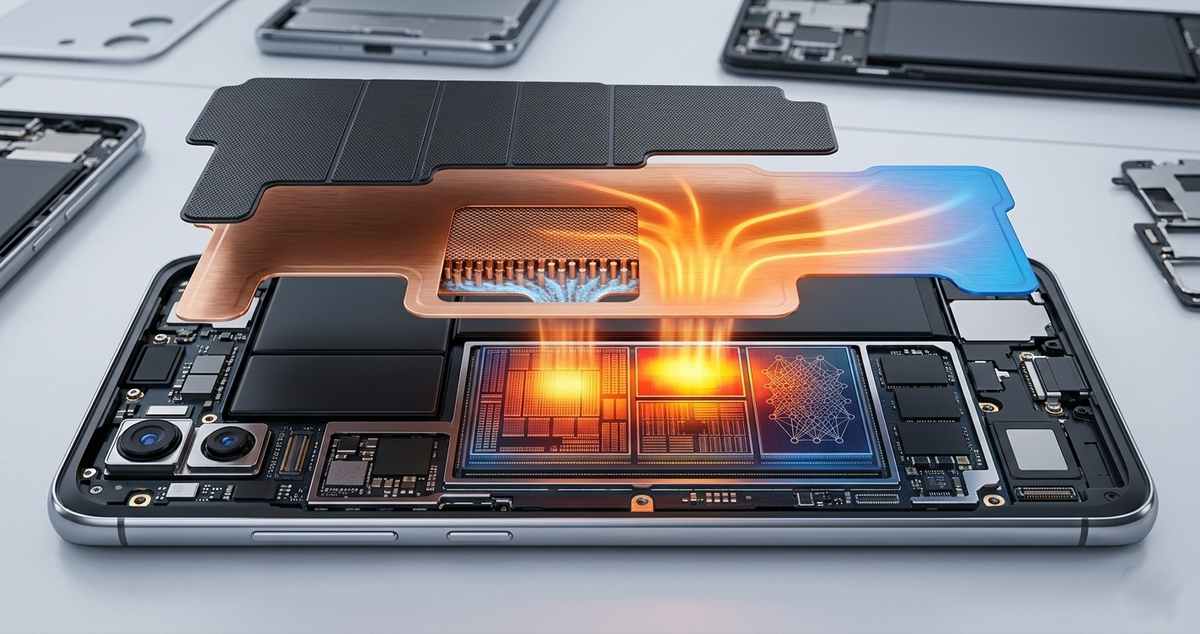
Flagship smartphone with vapor chamber cooling layer showing heat distribution across SoC and GPU

As mobile SoCs become more powerful, integrating dedicated NPUs, high-frequency CPUs, and multi-core GPUs, thermal management has become a critical design challenge. Flagship smartphones in 2025 routinely push sustained workloads such as AI inference, 3D gaming, and real-time video processing. Without effective cooling, these workloads trigger thermal throttling, reducing performance and user experience. As AI … Read more

Smartphone NPUs vs Cloud AI: Energy Cost Comparison

Smartphone neural processing unit performing on-device AI inference compared with cloud data center processing

The rapid deployment of dedicated Neural Processing Units (NPUs) in smartphones has fundamentally changed the economics of AI inference. Tasks that once required round trips to cloud GPUs can now execute locally on-device. But the real question in 2025 is not capability—it is energy and system cost efficiency at scale. This article provides a grounded … Read more

AI ISP Pipelines in Smartphone Cameras: 2025 Architecture Breakdown

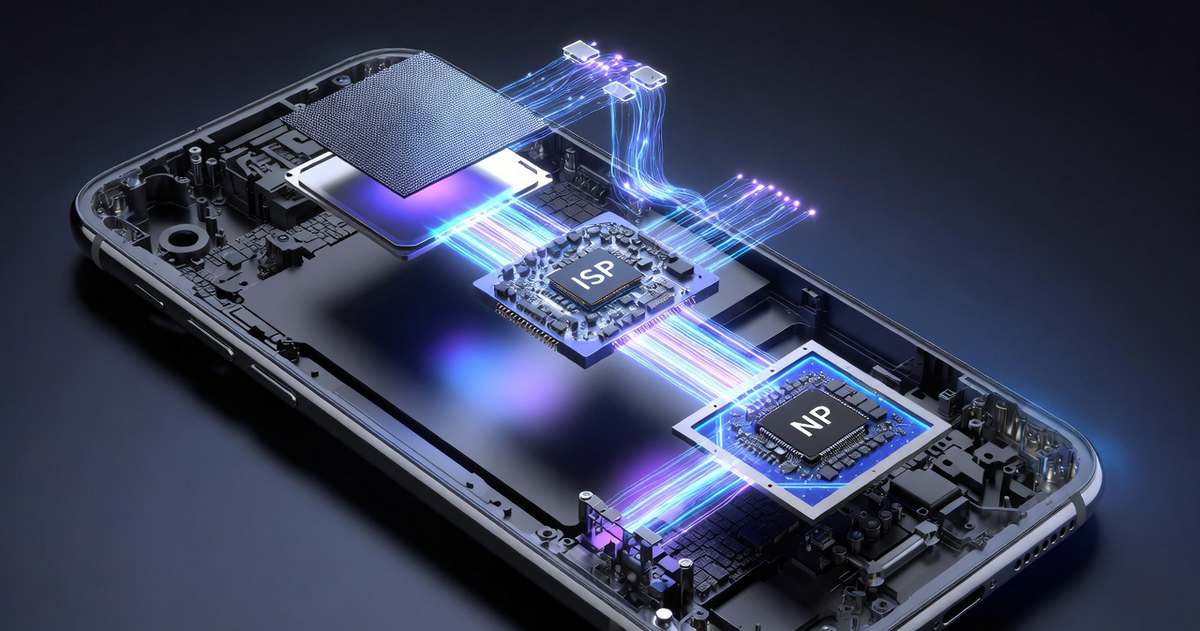
AI-powered image signal processor pipeline inside a modern smartphone camera system

By 2025, smartphone camera performance is determined less by raw sensor specifications and more by the sophistication of the AI-augmented Image Signal Processor (ISP) pipeline. Modern flagships execute a tightly orchestrated sequence of classical image processing and neural inference steps between photon capture and final image output. The competitive edge now lies in how efficiently … Read more

Satellite-to-Phone Messaging: Coverage Limits and Latency Tests

Smartphone sending message directly to satellite in low Earth orbit over remote landscape

Satellite-to-phone messaging has moved rapidly from marketing promise to deployed feature. What began as emergency-only connectivity is evolving into a broader direct-to-cell ecosystem, enabling standard smartphones to communicate with satellites without specialized hardware. Yet the real-world performance profile remains widely misunderstood. Coverage is not global in practice, latency is highly variable, and throughput constraints impose … Read more

6G Spectrum Strategy: Sub-THz Bands and Realistic Deployment Timeline

futuristic 6G base station transmitting sub-THz wireless signals across an urban environment

As global 5G deployments mature, the telecommunications industry is already architecting the next generational leap: 6G. While marketing narratives often promise “terabit wireless” and “instant connectivity everywhere,” the true battleground for 6G will be spectrum—specifically the move into sub-terahertz (sub-THz) frequencies. Understanding the physics, regulatory landscape, and infrastructure implications of sub-THz spectrum is essential to … Read more