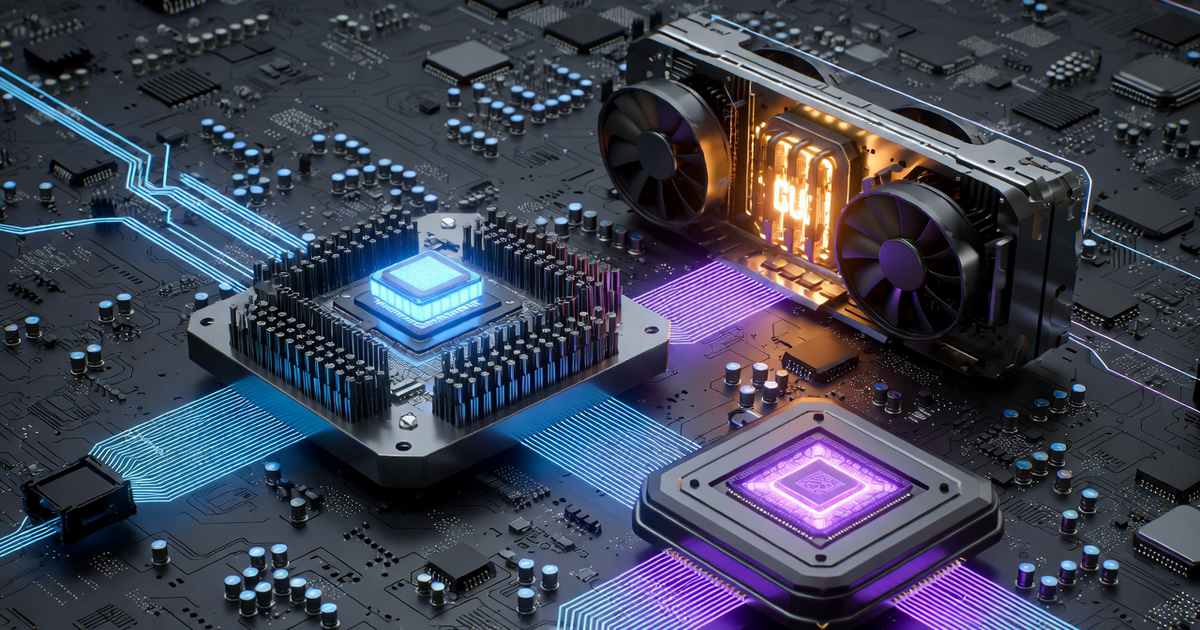
Real-Time On-Device Translation: Transformer Model Compression for Mobile NPUs
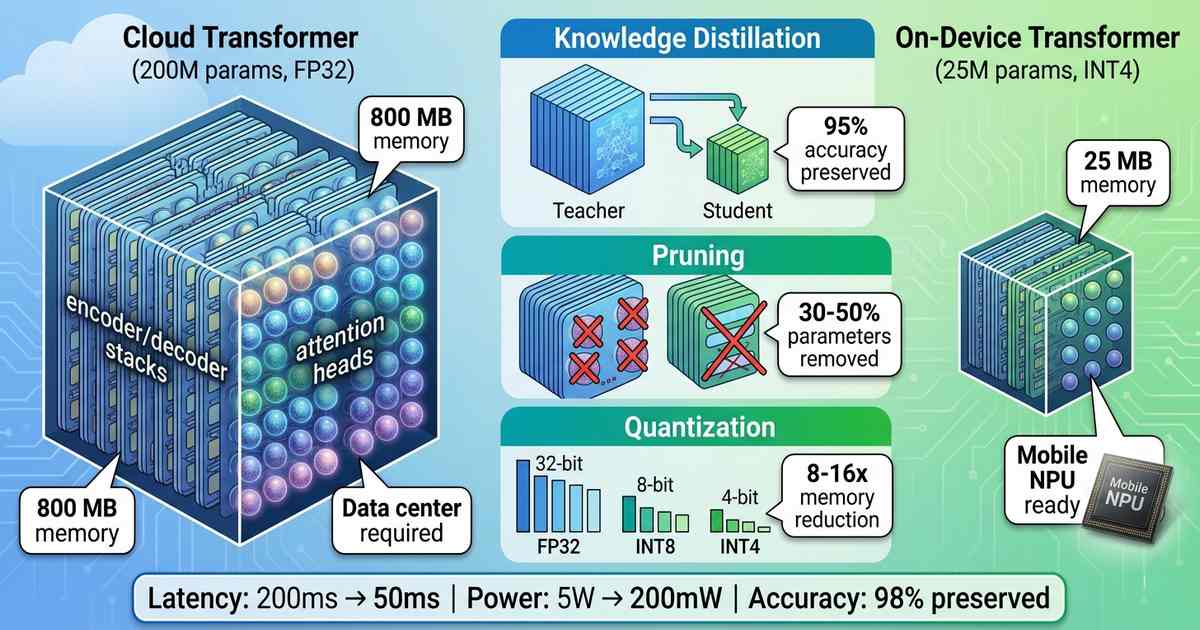
The Privacy-Latency Trade-Off For years, real-time translation lived in the cloud. Smartphone users spoke into their devices, audio traveled to remote servers, large language models processed the text, and translations streamed back. The results were impressive in quality but problematic in practice: latency varied with network conditions, privacy demanded sending conversations to third-party servers, and … Read more
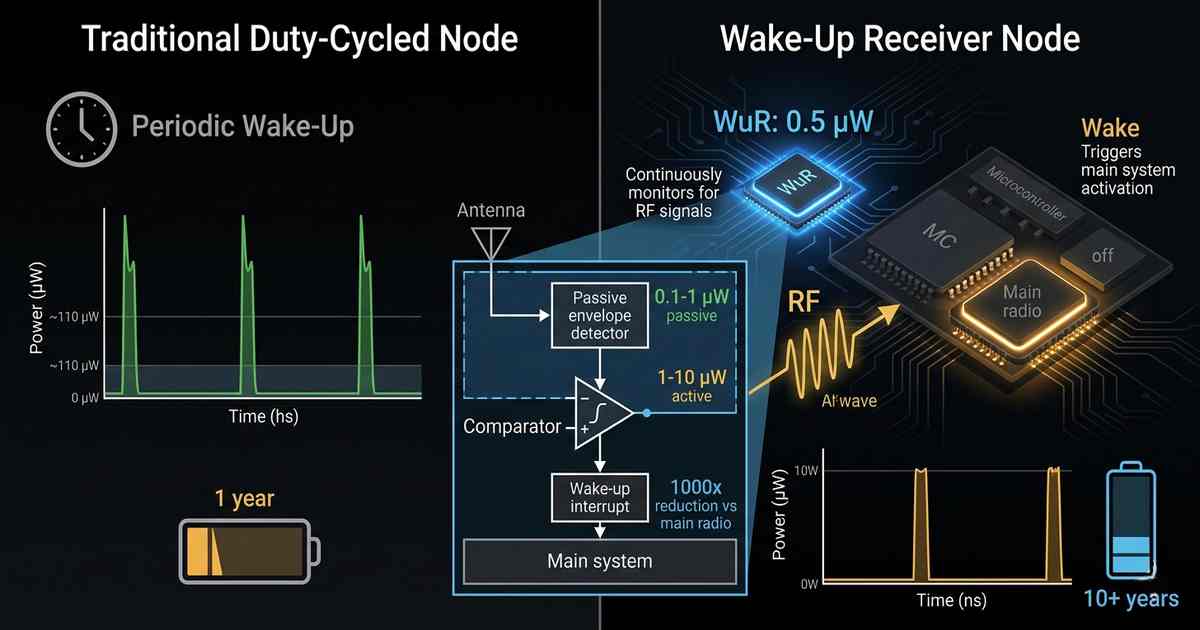
Always-On Sensor Nodes: Wake-Up Receivers and Event-Driven Computing Architectures

The Power Problem in Pervasive Sensing The vision of ambient intelligence depends on sensors everywhere—in our homes, cities, bodies, and environment. But sensors need power. And batteries have not kept pace with the proliferation of connected devices. A sensor node that continuously monitors, processes, and transmits data drains even the most efficient battery in weeks … Read more

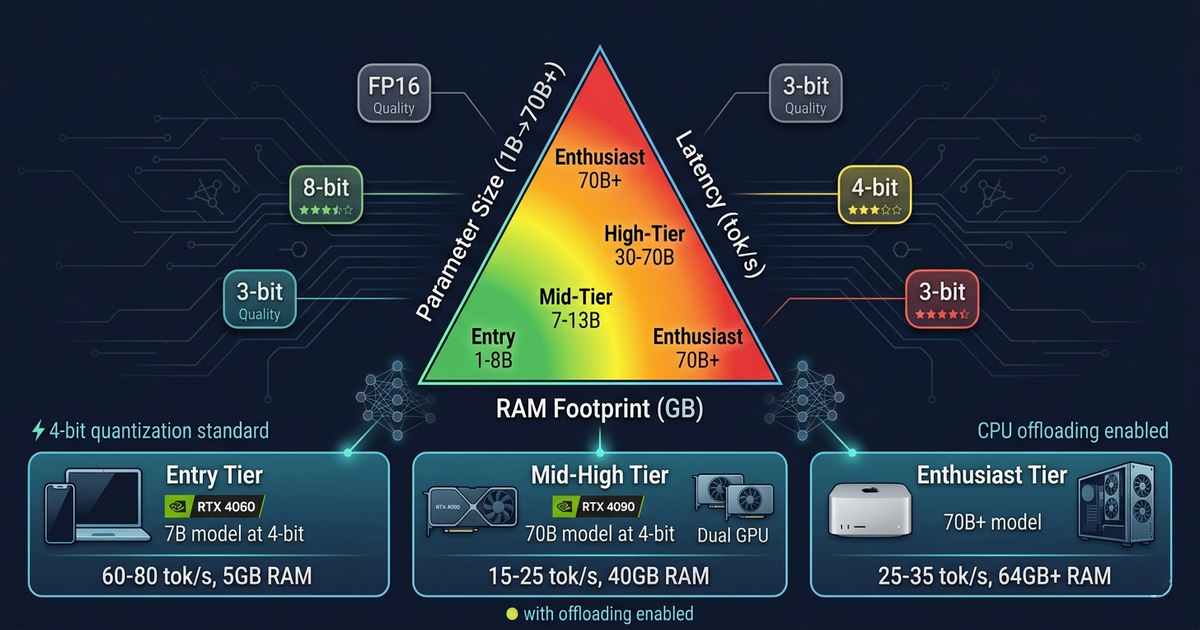
Running LLMs Locally: Parameter Size vs Latency vs RAM Footprint on Consumer Hardware

The Democratization of Large Language Models Two years ago, running a large language model on consumer hardware was an exercise in frustration. The models that powered ChatGPT and its competitors were giants—hundreds of billions of parameters demanding data center-scale GPU clusters. Running such a model on a laptop was impossible. Running it on a desktop … Read more

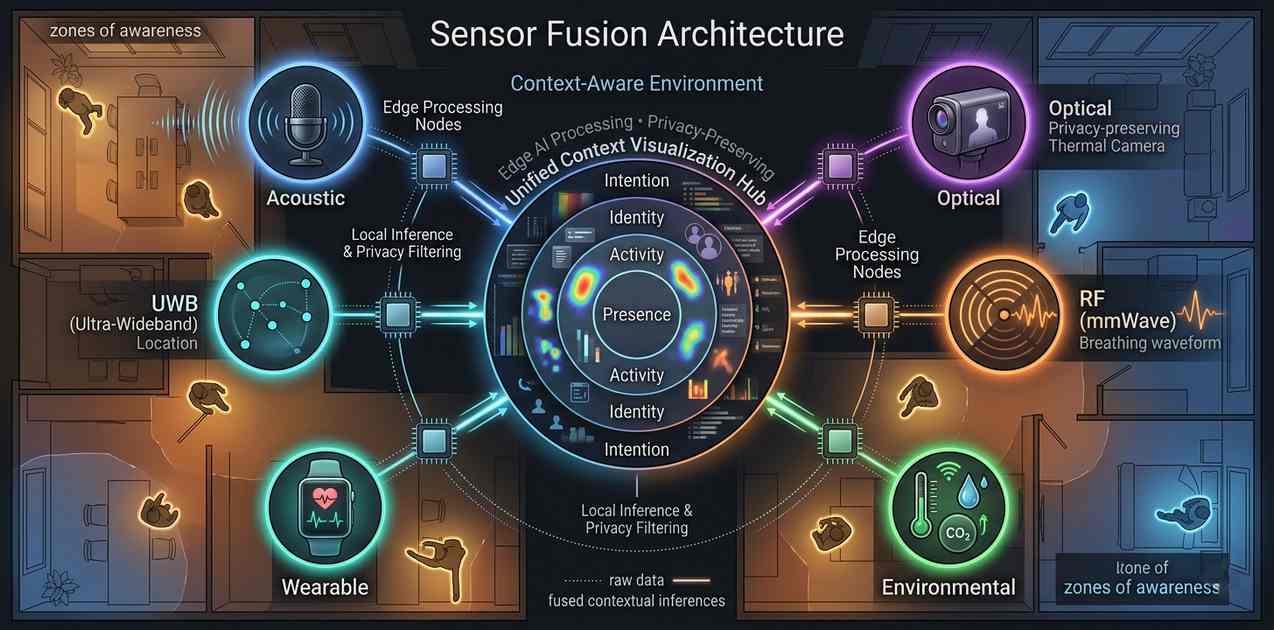
Ambient Computing Hardware: Sensor Fusion Architectures for Context-Aware Environments

The Vision of Invisible Intelligence The most profound technologies are those that disappear. They weave themselves into the fabric of everyday life until they are indistinguishable from it. This is the promise of ambient computing—environments saturated with intelligence that anticipate needs, respond to presence, and fade into the background when not required. Mark Weiser, chief … Read more

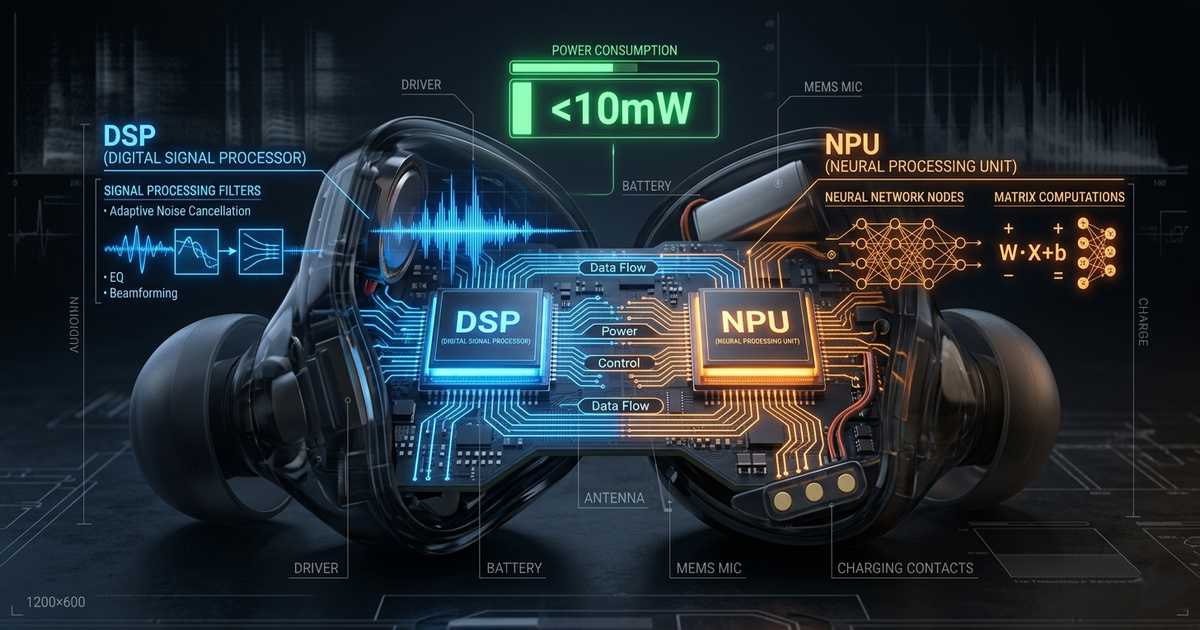
DSP + NPU Co-Design for Always-On Hearable AI Under 10 mW

The conventional wisdom has long held that deploying continuous, real-time speech AI on battery-constrained wireless hearables is nearly impossible. Streaming deep learning models demand constant audio processing, imposing strict computational and I/O constraints that seem incompatible with the milligram-scale batteries inside true wireless earbuds. Yet 2025 marks an inflection point. Through sophisticated DSP + NPU … Read more

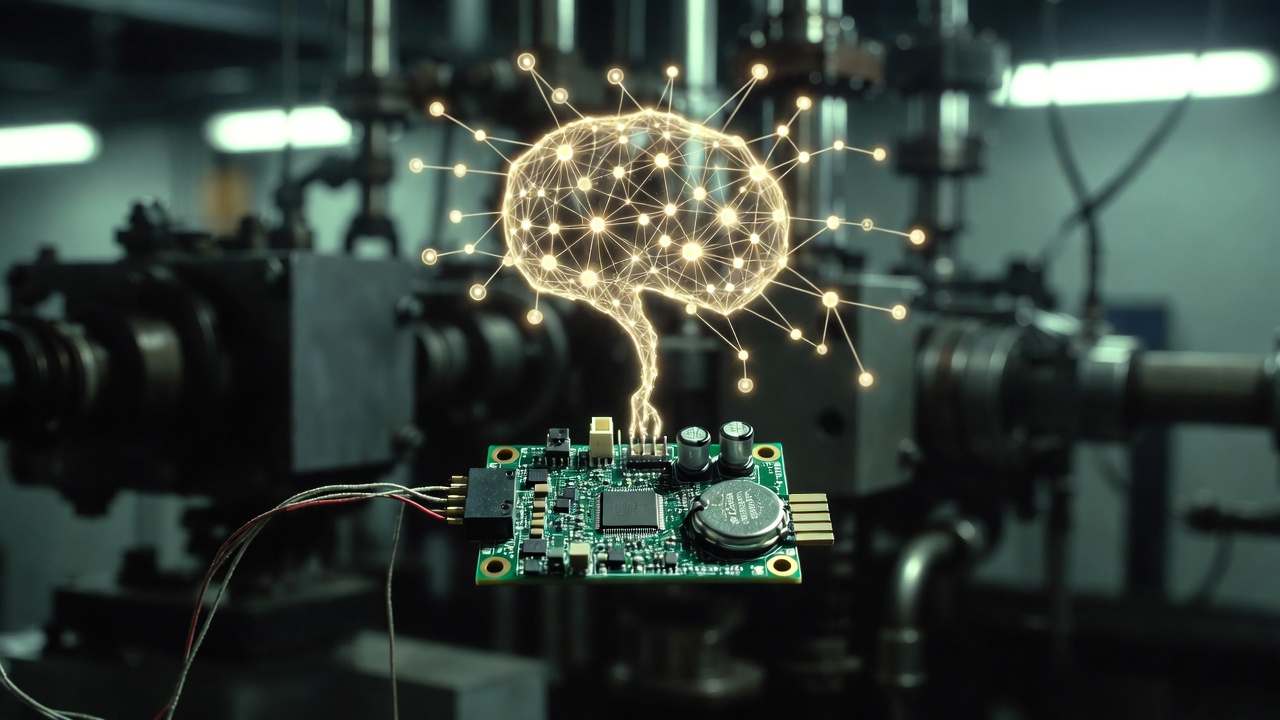
TinyML at Scale: Quantization for Sub-10 mW Sensors

Ultra-low-power environmental sensor node running TinyML inference on a coin-cell battery in an industrial IoT setting.

Running machine learning on a cloud server is easy. Running it on a device that must survive for years on a coin-cell battery is not. TinyML — the practice of deploying machine learning models on microcontrollers and ultra-low-power processors — exists precisely to solve this problem. At scale, the real constraint isn’t compute capability but … Read more

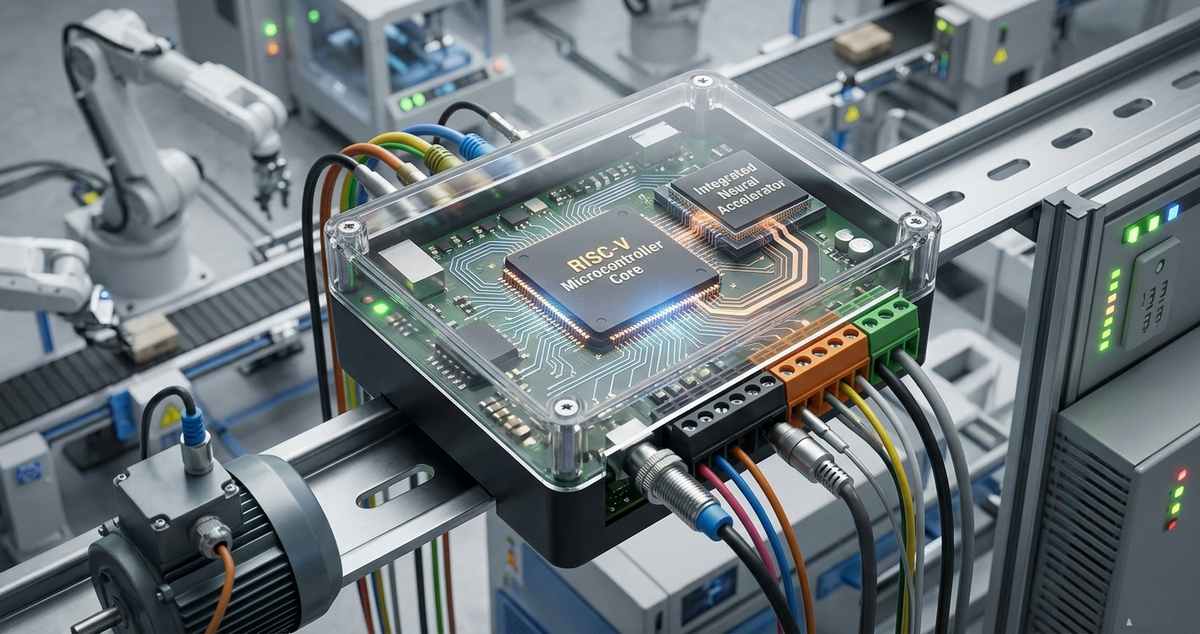
RISC-V Acceleration in AI Edge Devices: Adoption Trends

RISC-V AI edge device showing microcontroller core and integrated neural accelerator in an industrial IoT environment

The RISC-V open-source instruction set architecture (ISA) has rapidly moved from academic interest to commercial relevance, particularly in AI edge computing. In 2025, RISC-V designs are increasingly adopted in devices ranging from smart cameras and IoT sensors to AI accelerators embedded in industrial and consumer systems. Edge AI workloads demand low latency, energy efficiency, and … Read more

First Generation of Screenless AI Devices: Limitations and Potential

Wearable screenless AI assistant device being used hands-free in everyday environment

The idea of screenless AI devices—wearables that replace traditional smartphone interaction with ambient, voice-first computing—has rapidly moved from concept demos into early commercial products. AI pins, voice wearables, and context-aware assistants promise a future where users interact with intelligence rather than apps. But the first generation of these devices in 2024–2025 reveals a clear pattern: … Read more

Smartphone NPUs vs Cloud AI: Energy Cost Comparison

Smartphone neural processing unit performing on-device AI inference compared with cloud data center processing

The rapid deployment of dedicated Neural Processing Units (NPUs) in smartphones has fundamentally changed the economics of AI inference. Tasks that once required round trips to cloud GPUs can now execute locally on-device. But the real question in 2025 is not capability—it is energy and system cost efficiency at scale. This article provides a grounded … Read more

The Rise of AI PCs with Dedicated NPUs in 2025 Hardware Cycles

Modern AI PC motherboard showing integrated neural processing unit for on-device AI acceleration

The 2025 PC hardware cycle marks a structural shift in personal computing: AI acceleration is moving from the cloud and GPU into the client device itself. The defining feature of this transition is the integration of dedicated Neural Processing Units (NPUs) into mainstream laptop and desktop silicon. While earlier PCs could run AI workloads through … Read more