Multi-Modal Health Wearables: ECG, SpO₂, Skin Temp, HRV for Predictive Analytics

Multi-modal wearable device with sensors for ECG SpO2 skin temperature and HRV connected to predictive analytics dashboard showing health trends and risk alerts

The first generation of health wearables told us how many steps we took. The second generation told us our heart rate. The third generation added single-lead ECG and blood oxygen monitoring. But these individual metrics, viewed in isolation, offer limited insight into the complex, dynamic system that is human physiology. Figure 1: Multi-modal wearable device … Read more

AI-Assisted Drug Discovery: From Target Identification to Phase I Trials—A New Paradigm

AI drug discovery pipeline visualization showing stages from target identification through generative molecule design preclinical testing and accelerated Phase I trials

Developing a new drug is one of the most expensive, time-consuming, and failure-prone endeavors in human history. The numbers are staggering: an average of $2.6 billion in research and development costs, 10 to 15 years from initial discovery to market approval, and a 90% failure rate in clinical trials. For every drug that reaches patients, … Read more

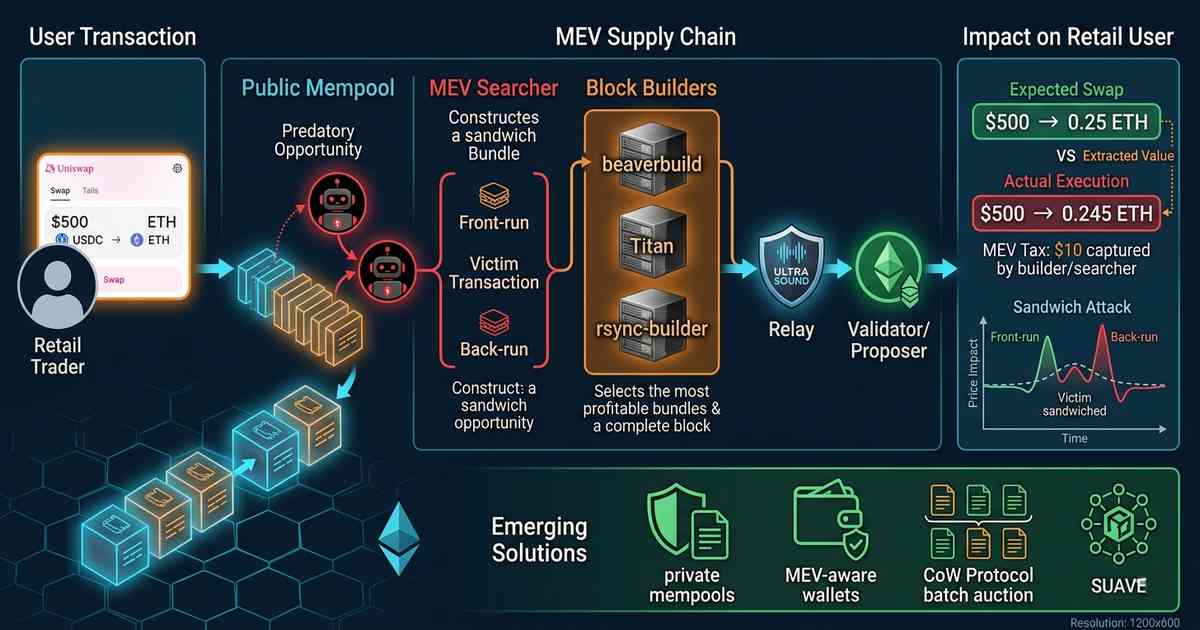
MEV Extraction: How Block Builders Impact Retail DeFi Users in Ethereum and Beyond

The Hidden Tax on Decentralized Finance When a retail trader swaps $500 of ETH for USDC on Uniswap, they expect a fair execution—a transparent trade at market price, settled on a neutral blockchain. What they rarely see is the invisible economy operating around their transaction: the bots, searchers, builders, and validators extracting value from their … Read more

Edge Rendering for Mobile Gaming: Cloud Offloading vs Local GPU Performance

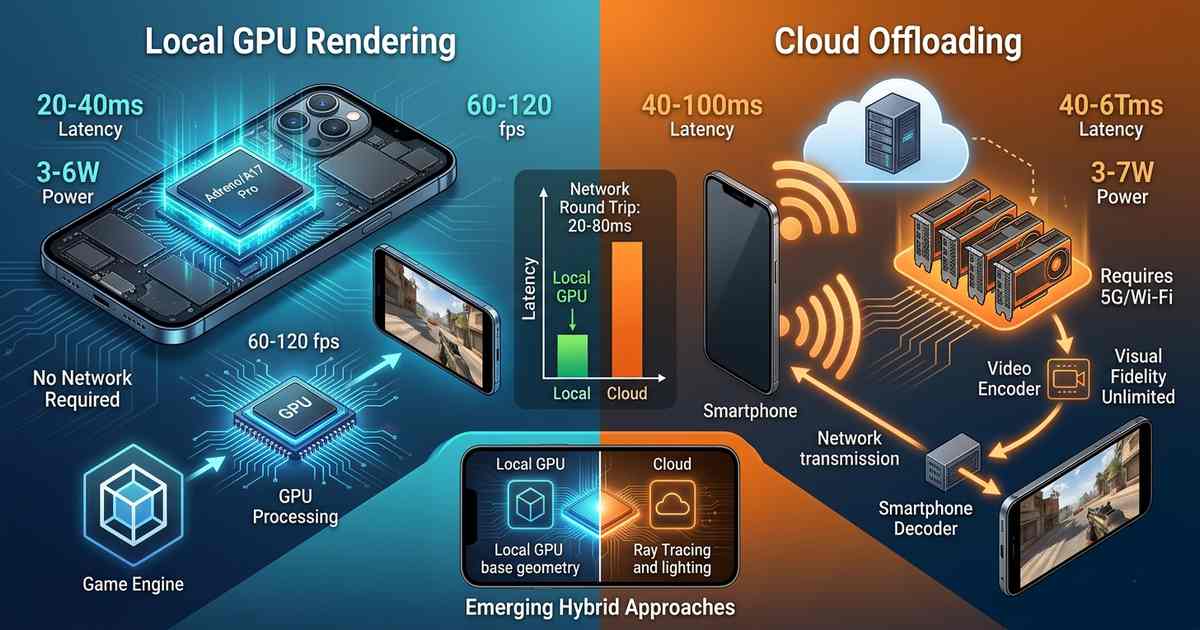
The Mobile Gaming Crossroads Mobile gaming has surpassed every other gaming segment combined. With over 2.5 billion players worldwide and revenues exceeding $100 billion annually, it is no longer a secondary platform but the dominant force in interactive entertainment. Yet mobile gaming faces a fundamental tension: the demand for console-quality visuals and immersive experiences is … Read more

Running LLMs Locally: Parameter Size vs Latency vs RAM Footprint on Consumer Hardware

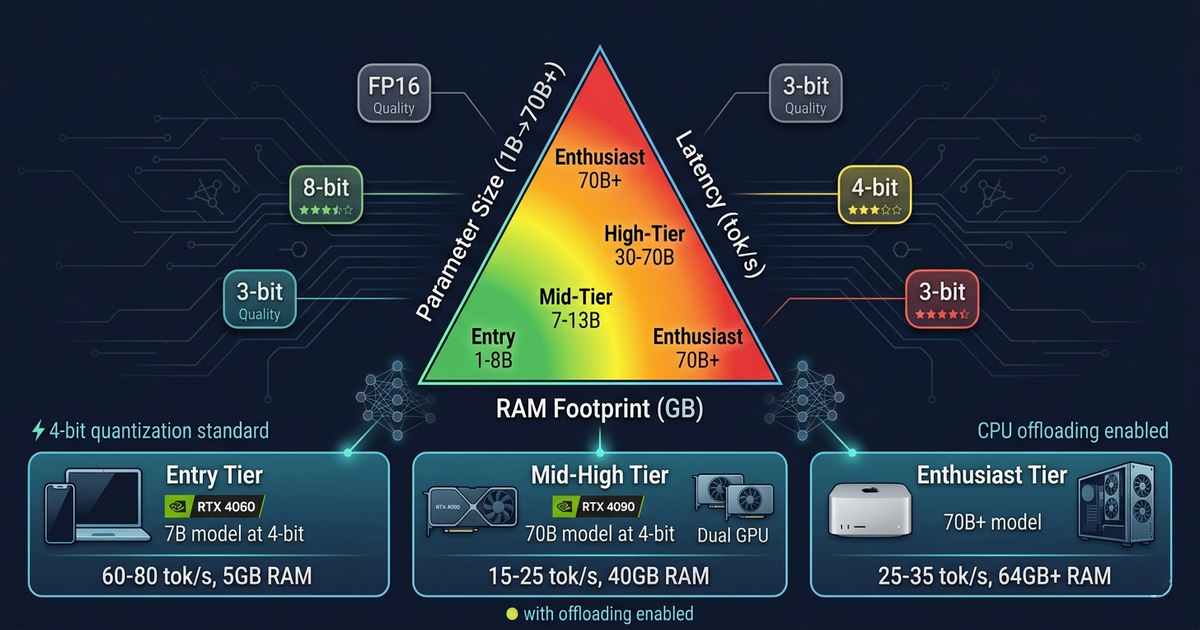
The Democratization of Large Language Models Two years ago, running a large language model on consumer hardware was an exercise in frustration. The models that powered ChatGPT and its competitors were giants—hundreds of billions of parameters demanding data center-scale GPU clusters. Running such a model on a laptop was impossible. Running it on a desktop … Read more

Ambient Computing Hardware: Sensor Fusion Architectures for Context-Aware Environments

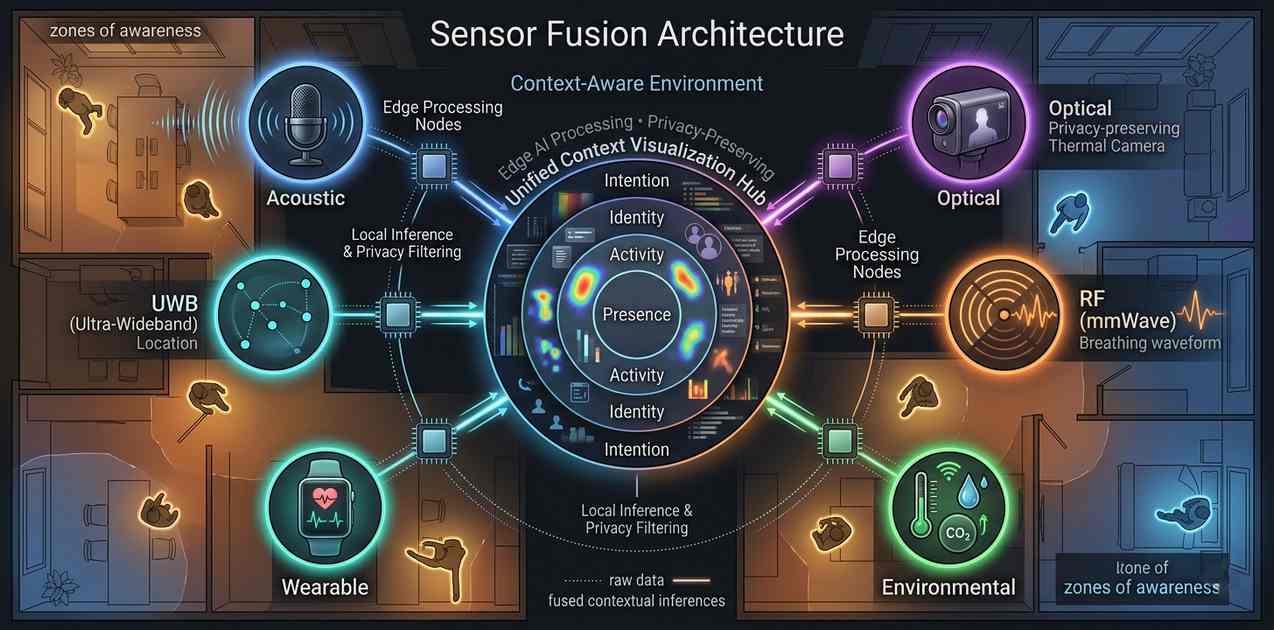
The Vision of Invisible Intelligence The most profound technologies are those that disappear. They weave themselves into the fabric of everyday life until they are indistinguishable from it. This is the promise of ambient computing—environments saturated with intelligence that anticipate needs, respond to presence, and fade into the background when not required. Mark Weiser, chief … Read more

Remote Cardiac Monitoring Wearables: Managing False Alarms in Long-Term Use

Remote cardiac monitoring wearables have transformed cardiovascular care. From smartwatches detecting atrial fibrillation to implantable loop recorders tracking arrhythmias over years, these devices offer unprecedented visibility into heart health beyond clinical settings. Yet this continuous surveillance comes with an unexpected cost: the burden of false alarms. The problem is staggering. Historically, approximately 75% of implantable … Read more

Central Bank Digital Currencies: Interoperability Models for Cross-Border Payments

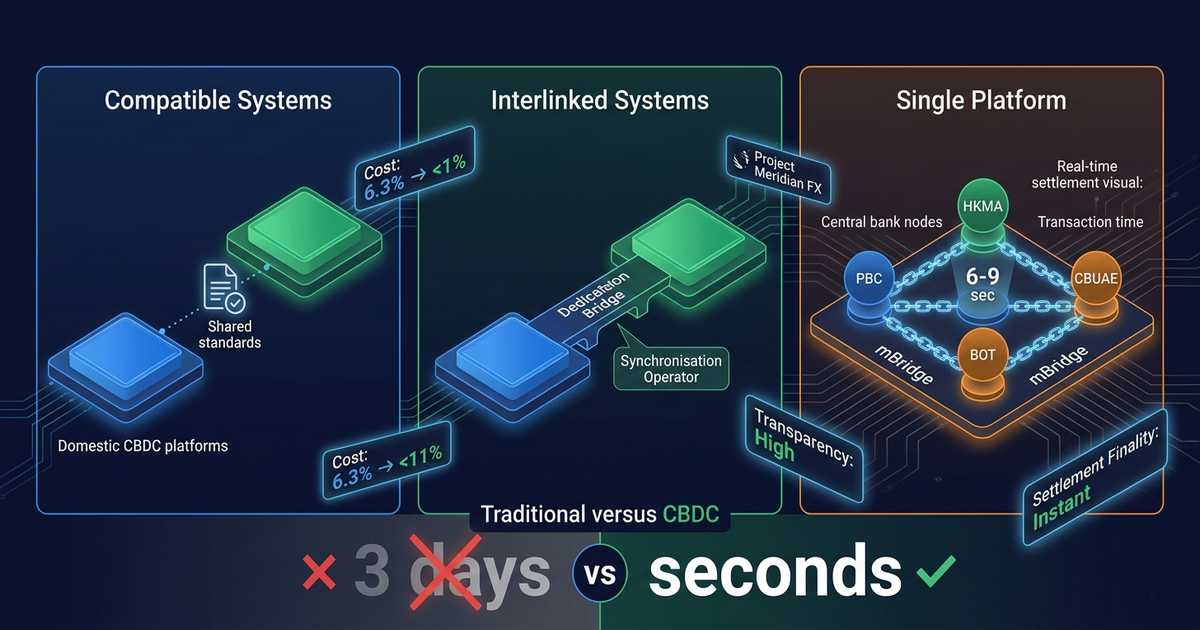
The global payments landscape stands at a crossroads. Traditional cross-border payment systems—reliant on correspondent banking networks and SWIFT messaging—have remained largely unchanged for decades, despite mounting evidence of their inadequacy for the modern digital economy. Transactions take one to three business days to settle, costs remain stubbornly high at an average of 6.3% of remittance … Read more

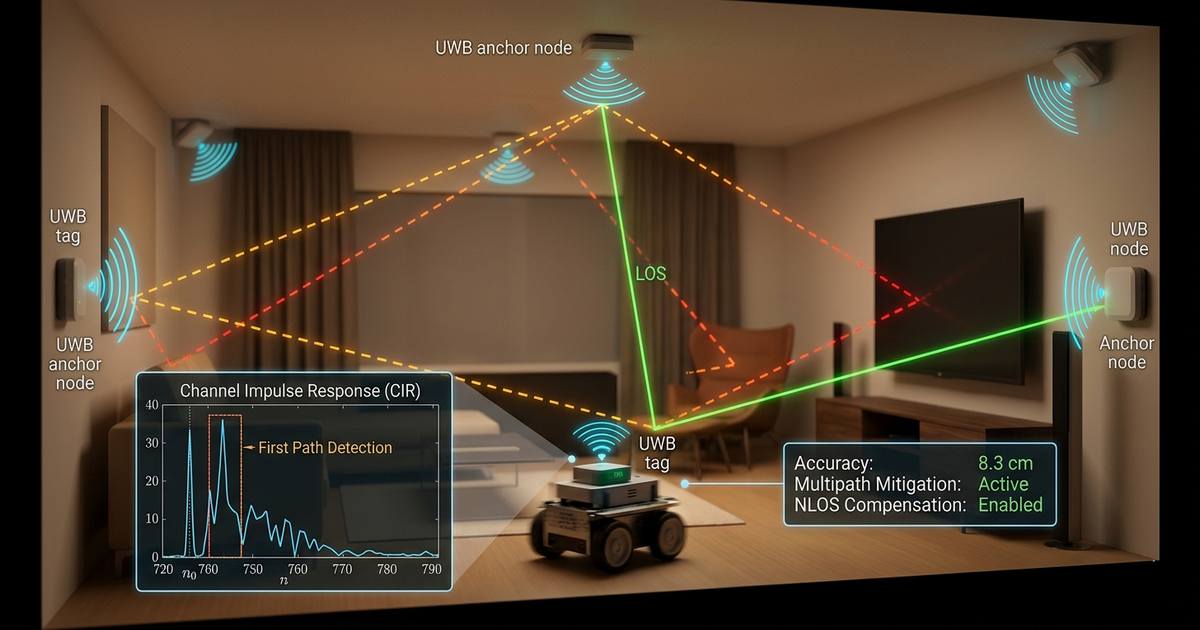
Ultra-Wideband Positioning: Multipath Mitigation for Centimeter-Level Indoor Tracking

Ultra-Wideband (UWB) technology has emerged as the gold standard for indoor positioning, offering the potential for centimeter-level accuracy that far exceeds Wi-Fi, Bluetooth, or RFID-based alternatives. By transmitting nanosecond-scale pulses across a wide frequency spectrum, UWB systems achieve exceptional time resolution, enabling precise Time of Flight (ToF) measurements that translate directly into distance estimates. This … Read more

The Memory Wall in AI: HBM3e Bandwidth Limits, Chiplets, and PIM Concepts

The Growing Chasm Between Compute and Memory The artificial intelligence revolution is facing an unexpected adversary: physics. As large language models grow exponentially—doubling in parameter count every 24 months—memory bandwidth improves at a meager 1.6× over the same period, while floating-point performance increases only 3× . This widening gap between computational capability and data transfer speed … Read more